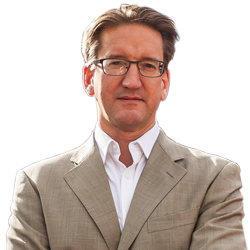
Osteopath - William Hauxwell
MA (Oxon) BSc (Hons) Ost Med DO ND MOCI
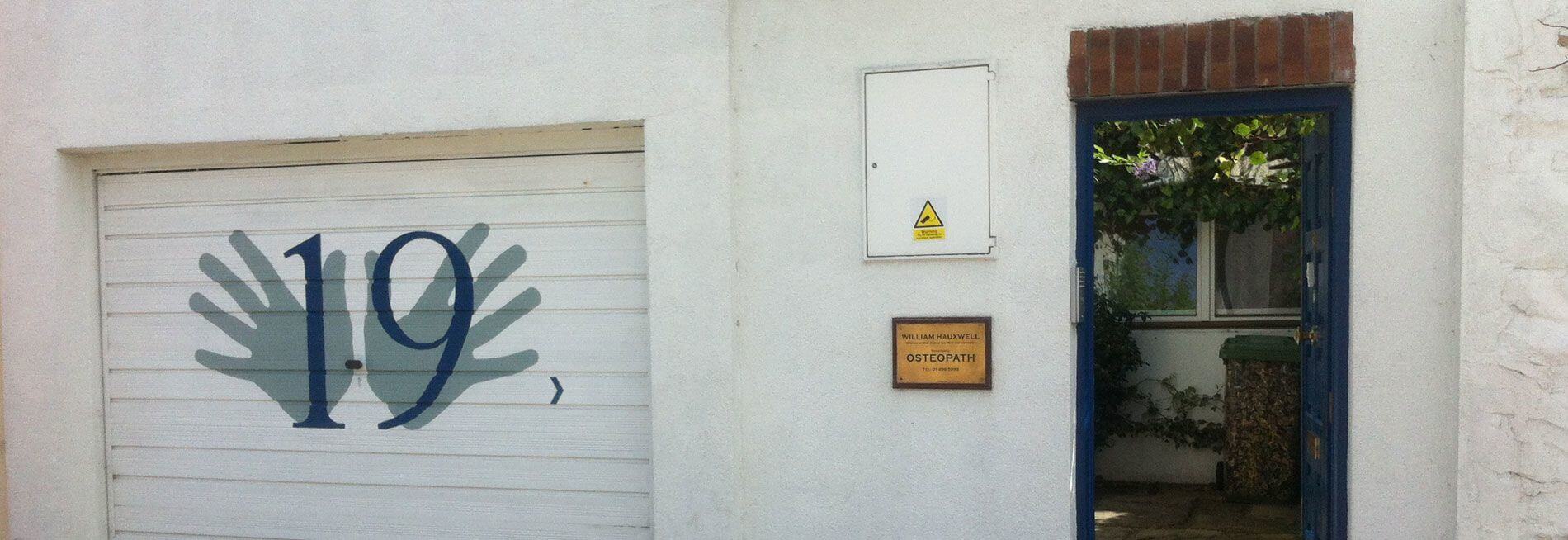
(Registered Osteopath and principal of the Castlewood Clinic)
William Hauxwell (Registered Osteopath) has a degree in Human sciences from Oxford University and a degree in Osteopathic Medicine from the British College of Osteopathic Medicine.
William has 15 years of experience as an osteopath. He has spent the last 8 years working exclusively at the Castlewood Clinic. Previously he worked in 5 different practices with osteopaths in England and Ireland.
He teaches clinical osteopathy at the Irish College of Osteopathic Medicine and has also taught clinical osteopathy at the British College of Osteopathic Medicine and at the Stillorgan Institute of Physical Therapy.
William Hauxwell (Registered Osteopath) is qualified as a Cranial Osteopath and pain-releif acupuncturist.
William Hauxwell (Registered Osteopath) specialises in treating lower back pain, mid back pain, neck pain, headaches and shoulder pain that have not responded to other treatments.
Osteopathic treatment by William Hauxwell (Registered Osteopath)
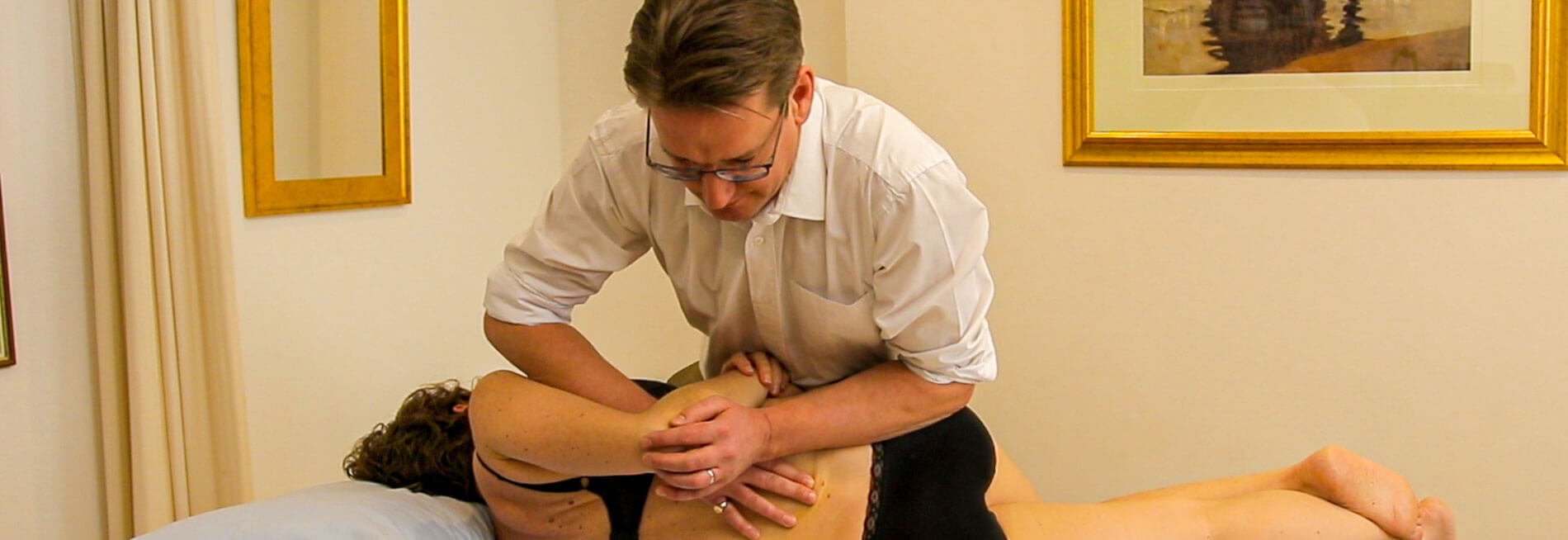
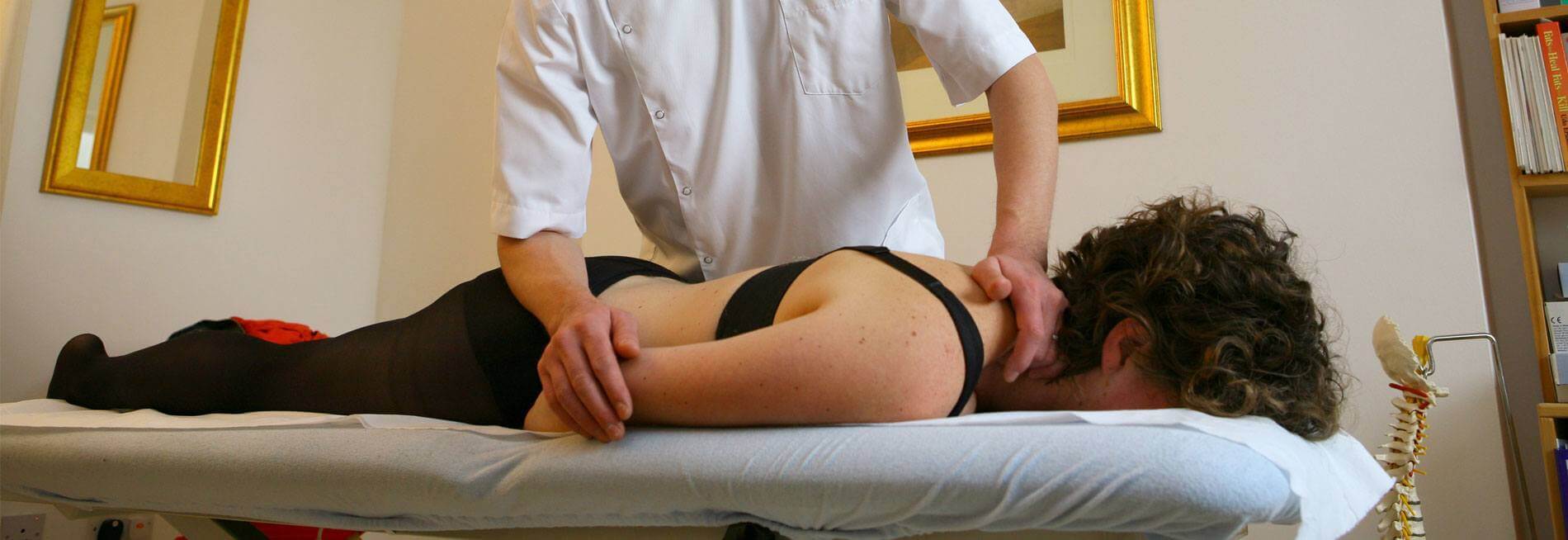
William Hauxwell (Registered Osteopath) is primarily a structural osteopath when it comes to the treatment of adults. He uses very gentle techniques including cranial techniques for the treatment of babies.
William Hauxwell (Registered Osteopath) uses a unique approach to the manipulation of sacroiliac joints (large joints in the pelvis). He believes that these joints are often the source of problems with back pain and headaches and are ignored or insufficiently treated by other osteopaths, chiropractors and physiotherapists. For this reason he is often able resolve back pain that has not responded to treatment by other therapists.
William Hauxwell (Registered Osteopath) often uses rib manipulation and a specific type of acupuncture for the treatment of shoulder problems which are difficult to get better.


History of Osteopathy and Osteopaths
Although he did not call himself an osteopath, Hipocrates manipulated spinal joints in Ancient Greece. Joint manipulation has arisen spontaneously in many different cultures through the ages.
Andrew Tailor Still coined the terms "osteopathy" and "osteopath" in the late nineteenth century. He drew upon techniques from lay manipulators known as bonesetters and developed the practice further, founded a college for osteopaths and taught students to become osteopaths.
Defining Osteopathy and Osteopath
When creating the Osteopath's Act in the UK, Osteopathy was defined as what "an osteopath does" which is simple but not too helpful.
Following the lay tradition of bonesetting, the founder of osteopathy, Andrew Tailor Still, coined the term osteopathy from the Greek words osteon and pathos. Although the word means disease coming from bones it would be more appropriate to refer to disease coming from the joints. However treatment by an osteopath involves work on muscles, tendons, ligaments and all the tissues of the body directly and indirectly.
Structural Osteopaths and Cranial Osteopaths
As osteopathy has evolved over the last 100 years or so it has absorbed different influences and has branched off in different directions. One of these branches is cranial osteopathy.
Training as an osteopath is primarily structural. After qualifying as an osteopath some practitioners go on to study "cranial osteopathy". Cranial osteopaths use very gentle energy based techniques, which can be used throughout the body and not just on the head as the term implies.
Treatment approach varies a lot from osteopath to osteopath. Some may describe themselves as a primarily structural osteopath and others as a primarily cranial osteopath. Osteopaths often use a diverse range of techniques.
Treatment by structural osteopaths is more similar to chiropractic than treatment by cranial osteopaths.
Differences between an Osteopath and a Chiropractor
Osteopaths and chiropractors have common historical origins and treat similar conditions with similar techniques.
Osteopaths tend to use "low amplitude" manipulation, ie short sharp thrusts directed at one joint as opposed to chiropractors that can use larger more forceful thrusts, which may be directed, at more than one joint.
Chiropractors tend to focus on spinal manipulation and often prescribe many frequent short sessions (10-20 minutes).
Treatment sessions by an osteopath tend to be longer (30-45 minutes) and less frequent.
Osteopaths may work on joints other than the spinal ones and use a variety of techniques on muscles and other tissues.
Chiropractors often use the title doctor, but they are not medical doctors.
Differences between an Osteopath and a Physiotherapist
It requires a 4-5 year full time degree to become an osteopath whereas Physiotherapists do a 3-year degree course. This is partly because osteopaths train to become primary care practitioners (able to use conventional diagnosis to screen for pain not coming from muscles and joints).
Physiotherapists tend to have a muscular approach to diagnosis and are more likely to use machines such as ultrasound, TENS (electric nerve stimulation) and laser. Some physiotherapists do postgraduate courses in manipulation but, unlike osteopaths, their primary training does not include it.
Osteopaths and physiotherapists often involve massage, specialised stretching techniques and exercise advice.
Training to be an Osteopath
Training to be an osteopath involves completing a 4-5 year full time honours degree course. This includes 1100-1300 hours of clinical experience as an osteopath.
The first 2 years of training as an osteopath are much the same as the first 2 years of training to be a doctor.
This length of training is necessary for an osteopath to be a primary care practitioner, ie. It is not necessary to see a doctor before seeing an osteopath as they can diagnose conditions that require referral.
Registration as an Osteopath
Most osteopaths in Ireland have trained in the UK where osteopaths are state registered and the title "osteopath" is protected by law.
William Hauxwell (registered osteopath) is registered as an osteopath with the Osteopathic Council of Ireland (OCI). The OCI is the only register of osteopaths in Ireland and intends to get similar legislature as the UK for registration and protection of the title "osteopath".
Testimonials
“When I was 12 I fell from the roof of our garage. As a result I suffered terrible pain in my back for 30 years. Many times I tried different therapies but none of them gave me long-lasting relief. Luckily I found Will Hauxwell and after only a few sessions I feel great. Thanks to Will I have a second chance to enjoy my life, free from pain.”
John Angeles, Lucan
See More....